


Ticks are becoming a growing concern throughout Baltimore, especially during the warmer months. With increased reports of tick bites and Lyme disease cases across the region, homeowners are looking for ways to keep their families, pets, and properties protected.
Ticks are small, but they can carry harmful diseases that affect both humans and animals. The good news is that with proper prevention and early action, you can significantly reduce your risk.
Why Are There More Ticks in Baltimore?


Maryland has seen increasing tick activity due to:
● Warmer temperatures
● Mild winters
● Increased wildlife activity
● Tall grass and wooded environments in residential areas
Ticks thrive in:
● Overgrown lawns
● Leaf piles
● Bushes and wooded areas
● Areas frequented by deer, mice, and pets
Common Types of Ticks in Maryland
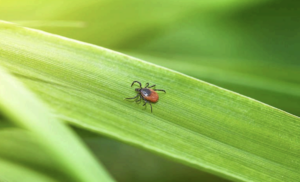
Blacklegged Tick (Deer Tick)
The most concerning tick in Maryland because it can transmit Lyme disease.
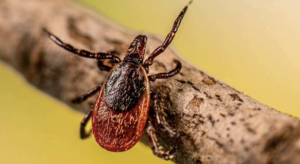
American Dog Tick
Commonly found on dogs and sometimes humans.
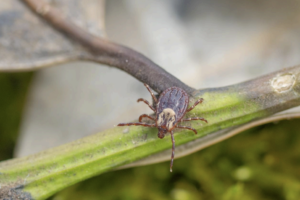
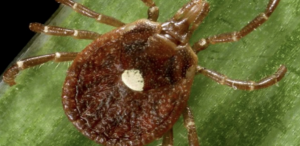
Lone Star Tick
Recognizable by the white spot on the female tick’s back and associated with several illnesses.
How to Protect Your Family From Ticks



Here are some simple ways to reduce tick exposure:
● Wear long sleeves and pants when outdoors
● Use EPA-approved tick repellents
● Check children and pets after being outside
● Shower after outdoor activities
● Keep grass trimmed short
● Remove leaf litter and brush around the home
How to Protect Your Dog From Ticks



Pets are especially vulnerable because ticks easily attach while animals walk through grass or wooded areas.
Tips:
● Use veterinarian-approved tick prevention
● Check your dog’s ears, paws, and belly regularly
● Wash pet bedding frequently
● Keep pets away from heavily wooded areas
What To Do If You Find a Tick

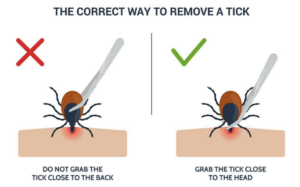

If you discover a tick attached to the skin:
1. Use fine-tipped tweezers
2. Grab the tick as close to the skin as possible
3. Pull upward slowly and steadily
4. Clean the area with soap and water
5. Monitor for rash, fever, or unusual symptoms
Avoid:
● Burning the tick
● Twisting aggressively
● Using petroleum jelly
How to Reduce Tick Populations Around Your Property


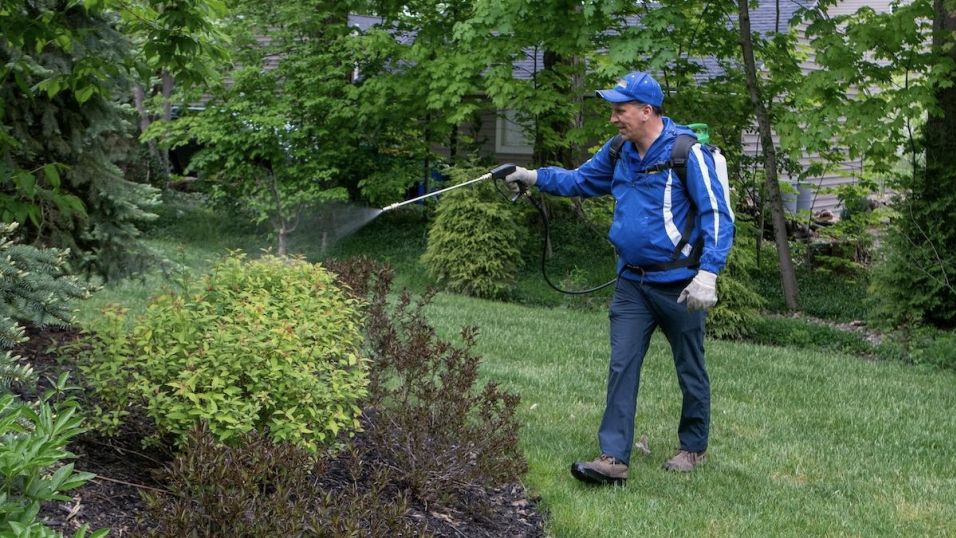
Professional pest control treatments can help lower tick activity around your yard and home.
Property maintenance also helps:
● Keep grass short
● Trim shrubs
● Remove debris piles
● Create barriers between wooded areas and lawn spaces
Tick control treatments are especially helpful for homes with:
● Pets
● Children
● Large yards
● Nearby woods or trails
Frequently Asked Questions About Ticks
What do I do if I find a tick on my child?
Remove the tick carefully using tweezers, clean the area, and monitor for symptoms such as fever, fatigue, or rash.
What if half of the tick gets stuck in the skin?
Do not panic. Clean the area and allow the skin to heal naturally. If irritation develops, contact a healthcare provider.
What are the chances of getting Lyme disease from a tick bite?
Not every tick carries Lyme disease, but the risk increases if the tick remains attached for more than 24–36 hours.
Are ticks on dogs and humans the same?
Some ticks feed on both humans and animals, including dog ticks and deer ticks.
How can I tell if it’s a tick?
Ticks are small, oval-shaped insects that attach firmly to the skin and may appear gray, brown, or black.
How do I safely remove a tick?
Use fine-tipped tweezers and pull upward gently without twisting.
What are the symptoms of Lyme disease?
Common symptoms include:
● Rash
● Fever
● Fatigue
● Headaches
● Muscle aches
Can ticks live inside the home?
Ticks prefer outdoor environments but can be carried indoors by pets or clothing.
What time of year are ticks most active in Maryland?
Ticks are most active during spring and summer but may remain active year-round during mild winters.
How can I reduce ticks in my yard?
Regular lawn maintenance and professional tick treatments are the most effective methods.
Can indoor pets still get ticks?
Yes. Ticks can enter the home through people, other pets, or outdoor exposure.
Are tick bites always painful?
No. Many tick bites are painless and go unnoticed initially.
Do all ticks carry diseases?
No, but some species can spread Lyme disease and other illnesses.
Should I save the tick after removing it?
If possible, yes. Keeping the tick may help with identification if symptoms appear later.
When should I call a professional for tick control?
If you frequently see ticks around your property or have pets and children regularly outdoors, professional treatments are highly recommended.



If you are noticing increased tick activity around your home in Baltimore, professional treatment can help reduce infestations and protect your family and pets.
Queen B Pest Services provides reliable pest solutions designed to help homeowners stay protected year-round.